
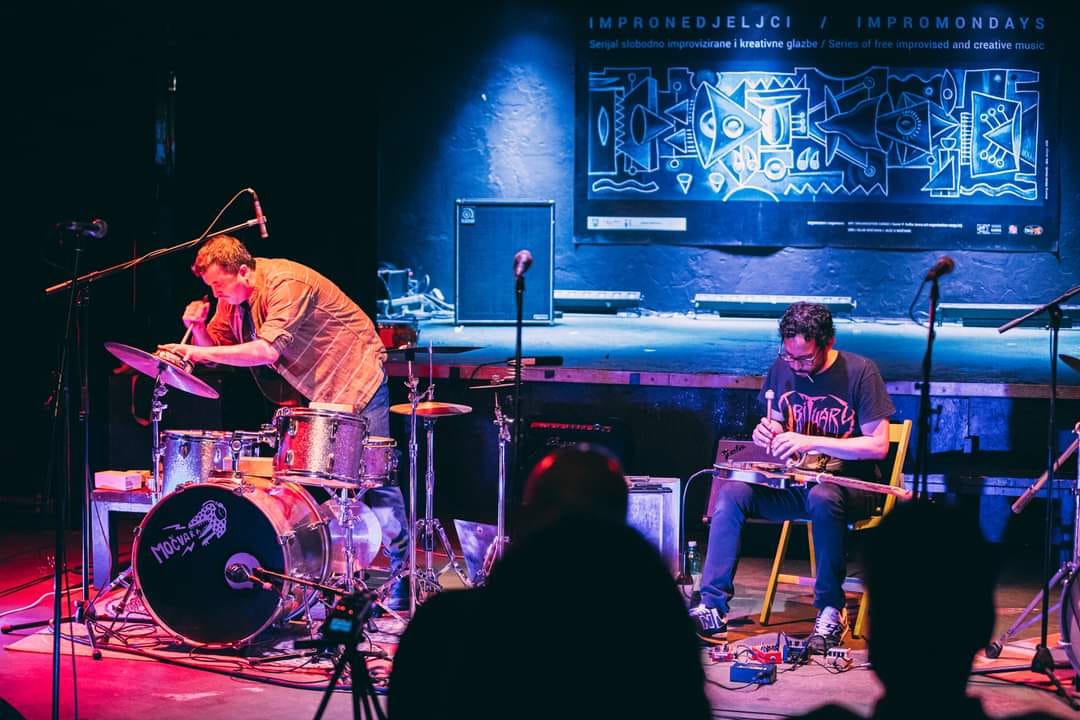
Drummer Vasco Trilla and guitar player Diego Caicedo are Barcelona based musicians, which were a part of Better Live project sustainable tour in April 2024.
How long have you known each other? Do you often play music together?
DC: We have known each other for around twelve years, maybe more. We played together in many, many projects during those years. Right now we are working on several projects together, specifically a trio with the double bass player Alex Reviriego.
VT: I’ve known Diego for more than ten years, and we’ve collaborated in many different musical configurations especially in the last five years: Antistandars, a group that El Pricto directs, Reptilian Mambo, a new trio of avantgarde metal with Alex Reviriego, and countless ad hoc and improvisational situations.
Did the tour help you to connect even more, both musically and personally?
DC: Yes, of course. We meet several times a week here in Barcelona, also in our weekly event called Nocturna Discordia, a free improv night in a local music bar. So, yes, Vasco and I are very close friends, and this tour connected us even more on the musical and personal level.
VT: Absolutely! Spending ten days on the road together, playing together in a duo, and also working with other musicians has been a great way to deepen our relationship. Now we are back in Barcelona with our heads full of new ideas about how to continue our collaboration.
Now that you are back, what is your overall impression of the Better Live tour?
DC: It was amazing. The organization was perfect. We had no trouble with anything. Our travels arrangements were always on time, the hotel and hostels were great, the people were lovely and friendly, very respectful and receptive. We are talking about taking this model and trying to apply it here in Barcelona, to somehow get more resources to more musicians. Of course, it’s just an idea, and it would take a lot of work to make it happen.
VT: It was really a beautiful experience. Super smooth in all ways, really comfortable travels, wonderful accommodations. Everything was really well organized. I enjoyed meeting all the people involved, and especially the feeling of community and collaboration between all the people involved in the project. We would definitely need something like this here in Spain to connect us more and also to share with musicians from different countries and scenes.
Have you ever been on a similar tour in the past?
DC: No. I’ve been on tours before, but less days and in more precarious conditions.
VT: I’ve been on different tours, from do-it-yourself to very professionally organized ones. That being said, the biggest difference with this one was the connection with the local scene, meeting and sharing with all the amazing musicians and organizers. It is not like you just went and played somewhere and then went home. It was way deeper, feeling welcomed, sharing your music, and experiencing the local scene.
How did you like the venues? Were any of them really special?
DC: For me, everything was so exotic. It was my first time in Slovenia and Croatia – I’ve been to Italy many times – so all the venues struck me as new in many ways. Močvara in Zagreb (Elliot Sharp, Suffocation, Incantation, and Decapitated were there a few weeks ago) and Klub Metulj in Bistrica ob Sotli were special in that “homemade” way. Also DobiaLab in Staranzano, beautiful space, great musicians and lovely and very funny people. Klub Štala with the lovely Gal Furlan and his beautiful family, great night and beautiful audience. And Vrhnika and Cerkno also, with the great Jošt and Vid Drašler, wonderful friends and truly gifted musicians. Most of the venues had a kind of squat aesthetic and contracultural attitude. I love those spaces. But also the theaters in Trieste, Hangar Teatri, and GT22 in Maribor were such unique spaces, so comfortable and inspiring.
VT: The venues were surprisingly diverse.I liked all of them in different ways. Bistrica ob Sotli and Klub Stala were the most surprising because I am not used to these kind of venues in little villages in Spain. I played before in Vrhnika. It always amazes me how they always find a way to find new places to keep the series going. Vid and Jošt are unbelievable. But overall the venues were really original and very inspiring as a way to try different models here in Barcelona. We will try our best to apply what we’ve experienced on this tour.
Do you have similar spaces in Barcelona or Spain which you could compare with the ones on the tour?
DC: We had, but not anymore. Barcelona and Spain, in general, are only looking for models of mass tourism and these tend to destroy other cultural structures. So in the last ten or fifteen years, a lot of spaces have shut down, and it’s only getting worse. Spain is a complicated place for musicians and artists who want to express this particulr aesthetic.
VT: We used to have more underground places a few years ago, but now, as Diego said, Barcelona is being completely overwhelmed with tourism and the local government doesn’t really care about music, least of all for non-commercial music. So we are struggling to find ways of doing it. Outside of Barcelona, it is even more complicated.
What did you think of the selection of local musicians who played with you?
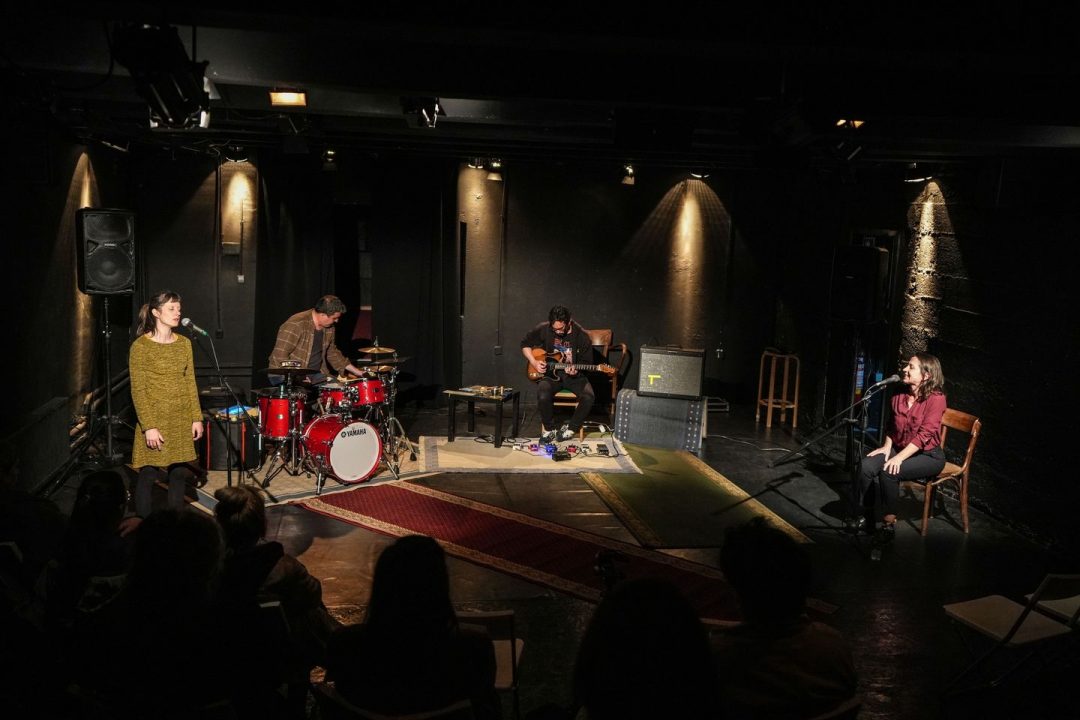
DC: It was beautiful. My god, each of those guys were fantastic musicians and lovely human beings. Everyone! Especially Tea Vidmar and Irena Tomažin. We were such a beautiful quartet. We wanted to explore more together. And also Jure Boršič and Žiga Ipavec. We are now such close friends. They were in Barcelona a couple of years ago, and we met and played a lot. So this beautiful tour was a great opportunity to get to see each again and deepen our friendship. That’s another quartet we want to work with more. But everyone – Gal Furlan, Jošt Drašler, Vid Drašler, Tomaz Grom, Andrea Gulli, and Paolo Pascolo – they are all great musicians and lovely, friendly, open people.
VT: The level of the musicians in Slovenia is very strong. What can I say? It was a real joy and pleasure to play with Tomaž Grom, Vid and Jošt, Tea Vidmar, Irena Tomažin, Paolo and Andrea in Dobbia. I am looking forward to hearing the recordings with Jure and Žiga. And, of course, it was also a great pleasure to meet and share time with Gal Furlan. I am really looking forward to continuing these collaborations and sharing more music with these musicions. I hope one day we can organize something here in Barcelona. We will definitely try.
Have you found any difference in playing improvised music in this region in comparison to Spain or other places you visited?
DC: Yes, of course. Each place has something special or different. Zlatko Kaučič did an amazing job on the organization and developing the sound of the Slovenian scene. It’s closer to free jazz, and it’s beautiful. The Kino Šiška Kombos ABC concert was a fantastic chance to get to know him, and to speak Spanish with him also, and to get to know all the “cats” in the Slovenian scene.
VT: Really different. I think the scene in Slovenia is much more connected. Spain is a big country and it’s difficult to connect with other cities and scenes. We are a bit more isolated in that sense. Being half Portuguese and being familiar with the Portuguese scene, I think that Portugal is in a way closer to what we experienced in Slovenia. I think, musically and aesthetically, Spain still needs to do a lot for this kind of music as regards institutions and festivals. There is a vibrant scene of musicians (especially here in Barcelona) but with very little exposure or institutional help to make it more known. Things will change hopefully.
You also had a recording session in Bistrica ob Sotli with Jure Boršič and Žiga Ipavec. How was that? How did the quartet work and do you have any plans to do something with the recorded music?
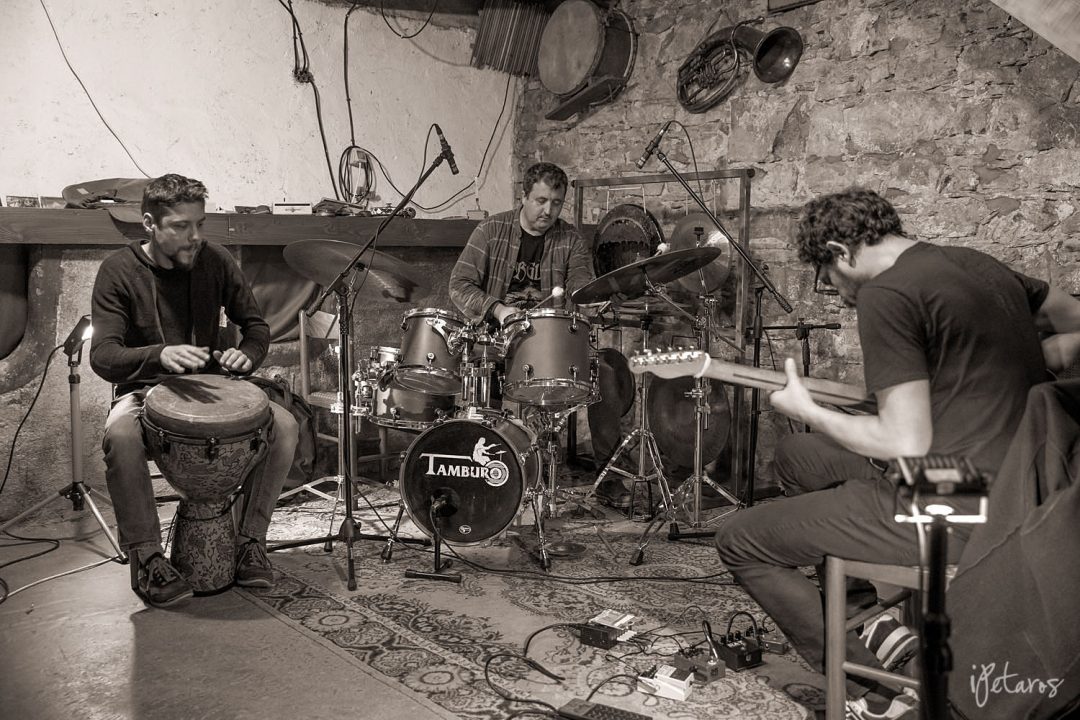
DC: It was fantastic. Ver special place, very special music. As I said, Žiga and Jure were already such close friends. So this concert and recording session was so special. Actually we also recorded the Šempeter FriFruFra session. The plan is to listen to it, agree to what we like and what we don’t, what works and what doesn’t, and maybe release it somewhere.
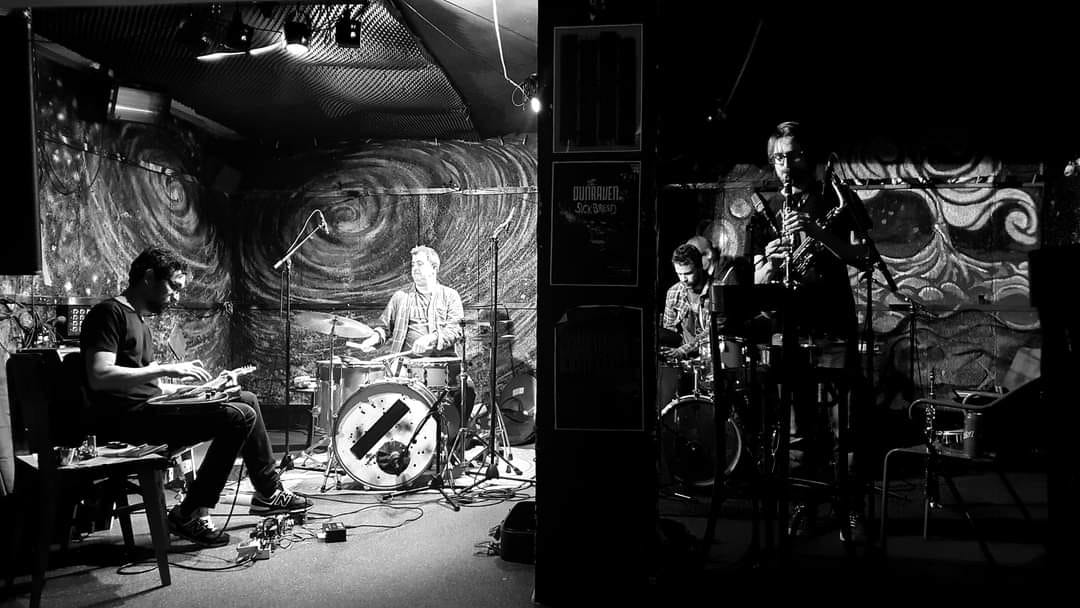
VT: It’s such a nice quartet. I love playing double drums with Žiga. We understand each other very well, and Jure is an amazing saxophonist. I think we will continue with this quartet and probably release an album of these recordings in Slovenia.
What will you remember most from the tour?
DC: The warm human treatment, the jokes, and the thousand and thousand of laughs with everyone, the beautiful landscape, the beers and rakija with new friends, the new music we made. Great experience guys! Thanks a lot!
VT: Sharing time, music, and laughs with all the people we met and who we played with. Visiting such beautiful places like the source of the Ljubljanica River in Vrhnika, the mountains, being able to meet Zlatko Kaučič and help at the KOMBO ABC concerts, and many, many memories that we will always cherish! Hope to come back soon!
More about Better Live: http://www.centralala.si/connecting-the-music-scene-for-better-conditions-for-creating

